Choose a freight forwarder by checking its registrations and credentials, experience with your commodity and trade lane, clarity of its quotes, quality of communication, and ability to handle documents, customs and delivery. Ask for references, compare written quotes on the same basis, and start with a small shipment if possible.
Key takeaways
- Verify the company’s legal registration and relevant licences before sharing cargo details.
- Match the forwarder’s experience to your commodity, route and mode.
- Compare quotes line by line, not by the headline total.
- Responsiveness and clear communication during the quote stage often predict service during a shipment.
- Define responsibilities in writing, including who handles documents, clearance and delivery.
What does a freight forwarder actually do?
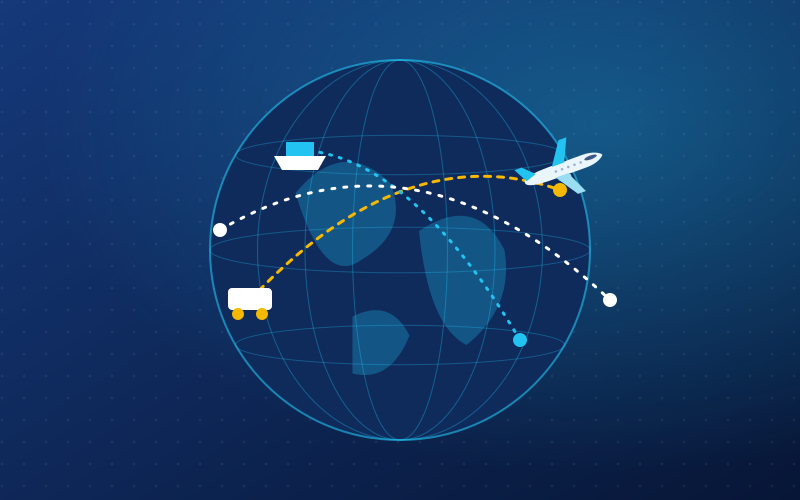
A freight forwarder arranges the movement of cargo on your behalf. Depending on the engagement, that can include booking space with airlines and shipping lines, preparing or checking documents, arranging pickup and delivery, coordinating customs clearance, and providing shipment updates. Read more about the role on our freight forwarding page.
What should you verify first?
Legal identity and registrations
Confirm the company’s registered name, address, GST registration and any licences relevant to its activities, such as customs broker licensing where it handles clearance. Where a forwarder issues its own house bills or operates as an NVOCC or consolidator, ask how it is registered or authorised. Verify details through the relevant official portals rather than relying only on what a brochure says.
Industry memberships and network
Membership of recognised trade associations or international networks can indicate standing, though it is not a guarantee of service quality. Ask what the membership actually gives the forwarder, such as agent coverage at your destination.
How do you judge fit with your cargo?
A forwarder that is excellent at containerised garments may not be ideal for hazardous chemicals, perishable goods or oversized machinery. Ask directly:
- Have you handled this commodity on this route before?
- What special permits, packaging or equipment does it need?
- Who are your destination agents, and how do you coordinate with them?
- Do you offer project logistics or specialised handling if my cargo is heavy or oversized?
What service scope do you need?
Decide whether you want a single service or an integrated one. Some businesses need only a sea or air booking; others want pickup, export or import clearance, warehousing and last-mile delivery managed by one party. Coordinating a single provider can reduce handoffs, but only if the provider is competent across the chain. Check how it handles customs clearance, warehousing and transportation, whether in-house or through partners, and who is accountable if something goes wrong.
How should you compare quotes?
- Give each forwarder identical shipment details, including Incoterm, packing and delivery points.
- Request itemised quotes covering freight, surcharges, local charges and documentation.
- Check what is excluded: duties, inspection, detention, storage, insurance.
- Note the validity period and conditions for rate changes.
- Be cautious about a quote that is far lower than the rest. It may omit charges that appear later.
Our article on how international freight charges are calculated explains the components so you can spot gaps.
What about communication and visibility?
Pay attention to how the forwarder behaves before you book. Do they respond promptly and clearly? Do they ask sensible questions about your cargo? During the shipment you should expect clear milestones and a named contact. Ask how updates are shared and whether you can use a shipment tracking facility or receive regular status messages.
Which contract and liability points matter?
- Liability limits: forwarders and carriers typically limit liability under standard terms, so ask about insurance and consider cargo cover for valuable goods.
- Payment terms: understand credit terms, advance requirements and the penalties for late payment.
- Documentation responsibility: who prepares, checks and submits each document, and who bears the cost of errors.
- Claims process: how and by when you must report damage or loss.
What are common warning signs?
- Reluctance to share company details or provide references.
- Pressure to pay into a personal account or to accept unclear invoices.
- Guaranteed transit times or “no extra charges” claims that ignore carrier and customs variables.
- Vague answers about who will actually handle your cargo at the destination.
How can you reduce risk when starting out?
Begin with a smaller or lower-risk shipment, check the documentation produced, and review how issues were handled. If you need guidance on trade rules or process, a forwarder offering EXIM consultancy can help you understand the requirements before you ship. You can also browse the FAQ for common questions.
How United Cargo & Travels can help
United Cargo & Travels Pvt. Ltd., based in New Delhi, supports importers and exporters with freight forwarding, customs clearance support, warehousing, transport and EXIM consultancy. Scope and timelines depend on the cargo, route and documents involved, so we review each enquiry individually. To discuss your requirement, request a quote.